
Volubilis Roman Ruins Visit: Complete Guide to Morocco’s Best-Preserved Roman Site (2026)
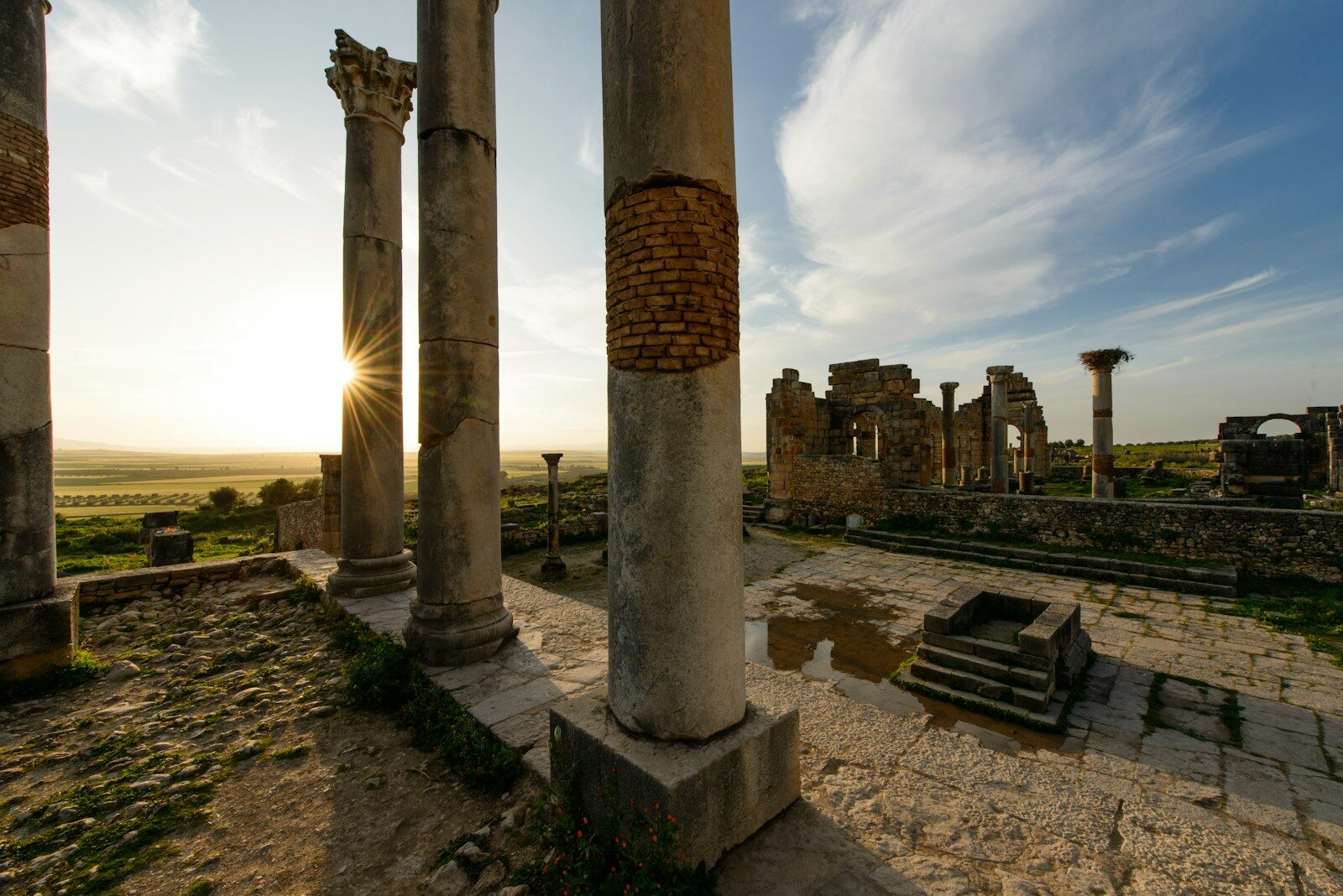
Volubilis, Morocco’s most impressive Roman archaeological site, is a UNESCO World Heritage treasure that offers visitors a fascinating journey back over 2,000 years. Located near the imperial city of Meknes, these remarkably well-preserved ruins stand as a powerful testament to the grandeur of the Roman Empire in North Africa. A visit to Volubilis is one of the most rewarding cultural experiences in Morocco, blending history, architecture, and stunning countryside views.
In this detailed 2026 guide, we cover everything you need to know for an unforgettable Volubilis Roman Ruins visit — from its rich history to practical visiting tips and how to combine it with your broader Morocco itinerary.
The History of Volubilis
Founded in the 3rd century BC as a Berber settlement, Volubilis flourished under Roman rule from 40 AD. It became a prosperous provincial capital known for exporting olive oil, wheat, and wild animals for Roman games. At its peak, the city covered 42 hectares and housed around 20,000 inhabitants.
After the Romans withdrew in the late 3rd century, Volubilis continued to thrive under Berber and later Idrisid rule. It was largely abandoned after a major earthquake in the 18th century. French archaeologists began systematic excavations in the early 20th century, revealing one of the finest Roman sites in North Africa.
Highlights of Volubilis Roman Ruins
A visit typically lasts 1.5 to 3 hours. The most impressive features include:
- The Triumphal Arch of Caracalla — A grand monument built in 217 AD
- The Basilica and Capitol — The civic and religious heart of the city
- Mosaics — Some of the best-preserved in the Roman world, especially the “Mosaic of Orpheus” and the “Mosaic of the Labours of Hercules”
- The House of the Athlete and other luxurious villas
- The Ancient Olive Presses — Evidence of Volubilis’ economic power
- The Forum and Temples — Where public life once thrived
- Panoramic Views — From the higher parts of the site, you can see the rolling hills and distant mountains
The site is large and open, so comfortable walking shoes are essential.
Best Time to Visit Volubilis
- March to May and September to November: Perfect weather for walking around the ruins
- Early Morning: Best light for photography and fewer crowds
- Sunset: Magical atmosphere with golden light on the ancient stones (check closing times)
Avoid midday in summer when temperatures can become very hot.
How to Visit Volubilis
From Meknes: Only 30–40 minutes away — the most convenient base.
From Fez: About 1.5 to 2 hours — popular as a day trip.
From Marrakech: Long day trip (combine with Meknes).
Private Tours: Highly recommended. Expert guides bring the ruins to life with stories of Roman life in Africa.
Many visitors combine Volubilis with a Meknes winery tour for a perfect day blending history and modern Moroccan culture.
Practical Visiting Information (2026)
- Opening Hours: Usually 8:30 AM – 6:30 PM (may vary seasonally)
- Entrance Fee: Reasonable and often includes access to the small on-site museum
- Guided Tours: Available in multiple languages and strongly recommended
- Facilities: Limited shade, basic toilets, and a small café near the entrance
- Photography: Allowed and highly rewarding — bring a wide-angle lens
Combining Volubilis with Your Morocco Itinerary
Volubilis fits beautifully into many Morocco routes:
- Northern Circuit: Fez → Meknes → Volubilis → Chefchaouen
- Full Morocco Journey: Marrakech → Ouarzazate & Sahara → Fez → Volubilis & Meknes
- Wine & History Day Trip: Meknes winery tour in the morning + Volubilis in the afternoon
Travelers heading south can use Meknes as a convenient stop before continuing to Ouarzazate, Aït Benhaddou, and the Sahara Desert.
Tips for an Enjoyable Visit
- Hire a licensed guide for deeper historical context
- Wear a hat, sunscreen, and comfortable shoes
- Bring plenty of water (especially in warmer months)
- Visit the small museum to see artifacts found on site
- Respect the ruins — stay on designated paths
- Consider a private driver for a relaxed, flexible day
Ready to Step Back in Time at Volubilis?
Volubilis offers one of the most impressive and atmospheric Roman experiences in the Mediterranean region. Walking among these ancient stones, with the Moroccan countryside stretching into the distance, creates a powerful connection to history that few places can match.
Our team specializes in creating seamless, personalized Morocco journeys. We can combine your visit to Volubilis with Meknes winery tours, Fez exploration, Ouarzazate cinematic adventures, and unforgettable Sahara desert experiences.
Planning a trip that includes Volubilis Roman Ruins?
Contact us today for expert help and custom itineraries:
Phone / WhatsApp: +212 668 919 009
Email: ouarzazatedeserttrip@gmail.com
Let us design the perfect Morocco tour that brings together ancient history, desert magic, and warm Moroccan hospitality.
*Opening hours and conditions may vary. Private guided visits offer the richest experience.
Making the Most of Your Volubilis Visit
The most important practical decision at Volubilis is whether to hire a guide. The site covers 42 hectares and without context, many of the ruins appear as anonymous stone foundations. A knowledgeable guide transforms these stones into the bustling streets, grand villas, and civic buildings of a Roman provincial capital. Guide fees are very reasonable — approximately 150 to 200 MAD for a 90-minute tour.
Bring far more water than you think you need, especially in spring and summer when the site offers almost no shade. The open landscape is beautiful but exposed. Sun protection is essential. The best photography opportunities occur in the early morning when the low angle light catches the mosaic textures and the triumphal arch creates dramatic shadows. Arrive before 10am to beat the midday coach tours that arrive from Fes and Meknes.
The on-site museum near the entrance houses many smaller artefacts — bronzes, coins, and pottery — that complement the larger architectural features visible across the site. Allow 20 to 30 minutes here before or after your main walk through the ruins.
Volubilis in the Context of Moroccan History
Volubilis holds a unique position in Moroccan history as the point where Roman civilisation met the indigenous Berber world. The city was never fully Romanised — Berber names, customs, and languages persisted alongside Latin inscriptions and Roman architectural conventions. After the Roman withdrawal, Volubilis continued under Berber and later Idrisid rule for several centuries, demonstrating the remarkable cultural continuity that characterises Morocco’s history.
Standing in the ruins today, you are walking through a city that witnessed the transition from Roman Africa to Islamic Morocco — a 2,000-year arc of history visible in the layers of the excavated streets.
Frequently Asked Questions — Volubilis Roman Ruins
How long does a visit to Volubilis take? A thorough visit with a guide takes approximately 2 hours. A self-guided walk through the highlights takes 1 to 1.5 hours.
Is Volubilis suitable for children? Yes, the open-air setting and impressive mosaics make Volubilis an engaging experience for older children and teenagers with an interest in history.
What is the best way to reach Volubilis? By private car from Meknes (30 minutes) or Fes (1.5 hours). Shared taxis from Meknes reach the nearby village of Moulay Idriss, from where Volubilis is a short additional taxi ride.
Are there food or drink facilities at Volubilis? A small café operates near the entrance. We recommend bringing your own water as the café options are limited.