
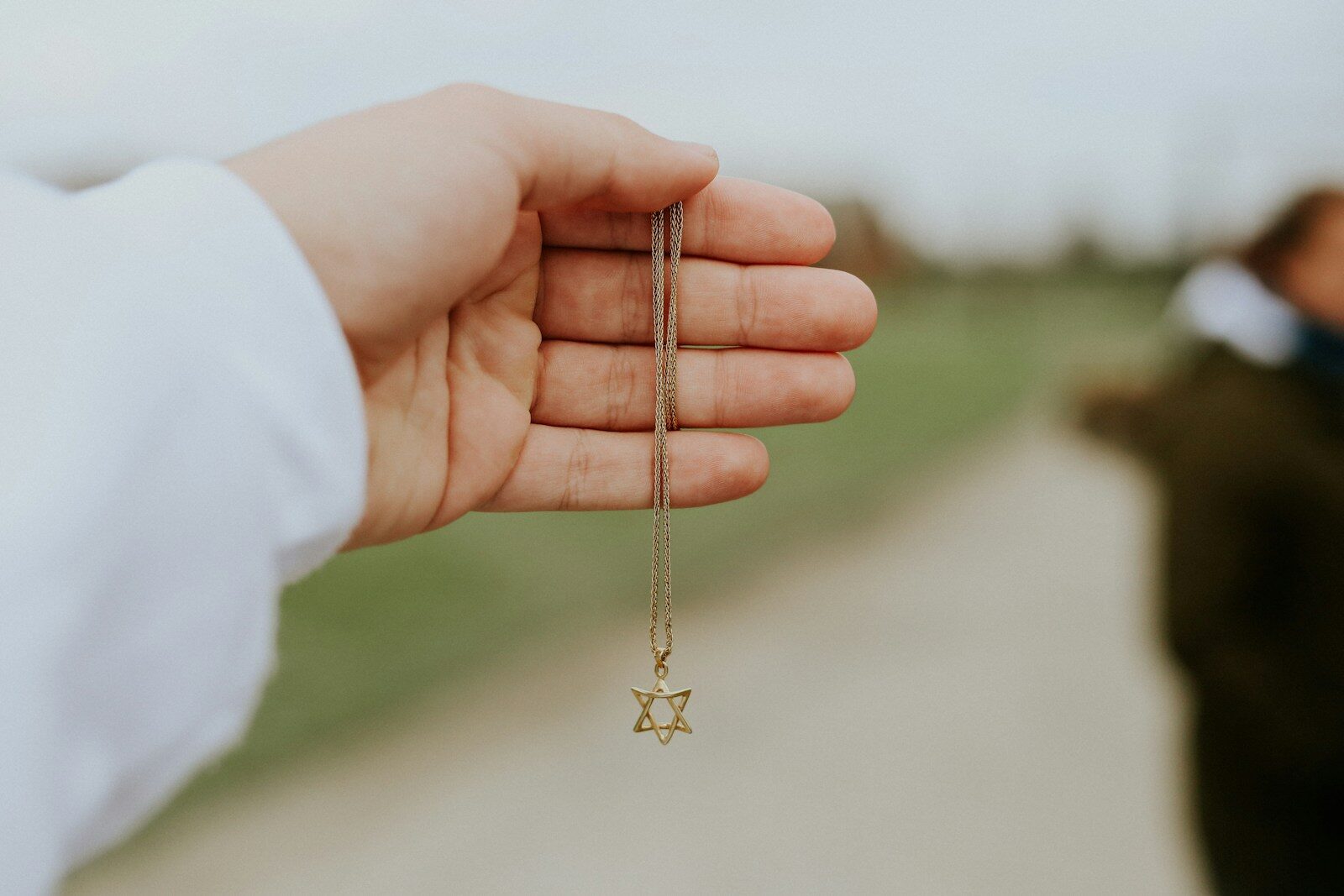
Ouarzazate Jewish Heritage: History, Culture & Travel Guide 2026
While Ouarzazate is best known as the Hollywood of Morocco and the gateway to the Sahara, it also holds a rich but often overlooked Jewish heritage. Like many towns in southern Morocco, Ouarzazate and its surrounding villages were once home to vibrant Jewish communities (Mellahs) that contributed significantly to local trade, crafts, and culture for centuries. Today, traces of this heritage remain in architecture, traditions, and the warm memory of coexistence between Muslim and Jewish Moroccans.
This guide explores the Jewish history of Ouarzazate, what you can still see today, and how to respectfully experience this important part of the region’s multicultural past.
Brief History of Jewish Communities in Ouarzazate
Jewish presence in the Ouarzazate region dates back many centuries, with communities thriving particularly from the 15th to the mid-20th century. Jews in southern Morocco often worked as:
- Skilled artisans (silversmiths, jewelers)
- Merchants along the Sahara trade routes
- Healers and advisors
The Jewish quarter (Mellah) in Ouarzazate was historically located near the Kasbah Taourirt area. Many families maintained close relationships with their Muslim neighbors, sharing festivals, music, and daily life — a hallmark of traditional Moroccan coexistence.
Most of Ouarzazate’s Jewish population emigrated in the 1950s–1970s, primarily to Israel, France, and Canada, but their legacy remains visible in local architecture, family names, and oral histories.
What Jewish Heritage Can You Experience in Ouarzazate Today?
1. Kasbah Taourirt & Old Mellah Area
The historic center contains remnants of the old Jewish quarter. Knowledgeable local guides can point out former synagogues, houses with distinctive features, and explain the layout of the old Mellah.
2. Jewish Cemeteries
Several old Jewish cemeteries exist in and around Ouarzazate. These quiet, respected sites offer a poignant connection to the past. Visits should be done respectfully, preferably with a local guide.
3. Local Artisan Traditions
Some traditional crafts practiced in the region (silver jewelry, metalwork) have roots in Jewish craftsmanship passed down through generations.
4. Cultural Memory & Stories
Many older residents still remember Jewish neighbors and can share stories of shared festivals, music, and community life. A good local guide brings these stories to life.
5. Nearby Villages
Some smaller villages in the Ouarzazate region, including parts of the Skoura Palmeraie and toward Aït Benhaddou, also had notable Jewish communities.
How to Experience Jewish Heritage Responsibly
- Always visit with a knowledgeable local guide who understands the cultural context
- Dress modestly and behave respectfully at cemeteries and former religious sites
- Support local guides and artisans who preserve this shared heritage
- Combine with broader cultural exploration of Berber and Islamic history for a fuller picture
Combining Jewish Heritage with Popular Ouarzazate Activities
A thoughtful Jewish heritage tour pairs beautifully with:
- Atlas Film Studios visit
- Aït Benhaddou exploration
- Skoura Palmeraie bike or 4×4 tour
- Sahara desert camp experience
Many private guides can weave Jewish history naturally into a wider cultural tour of the region.
Why Learn About Ouarzazate’s Jewish Past?
Understanding the Jewish contribution to Ouarzazate adds depth and nuance to your visit. Morocco’s history of relatively peaceful coexistence between Muslims and Jews is an important part of the country’s identity and a story worth remembering and honoring.
Plan Your Cultural Journey in Ouarzazate
Ouarzazate offers far more than desert dunes and film sets. Its layered history — Berber, Jewish, Arab, and modern — makes it a fascinating destination for curious travelers.
Our local team includes guides with deep knowledge of Ouarzazate’s multicultural heritage. We can create sensitive, informative private tours that respectfully explore the Jewish history alongside the region’s other rich traditions.
Interested in discovering Ouarzazate’s Jewish heritage?
Contact us for a personalized cultural tour:
Phone / WhatsApp: +212 668 919 009
Email: ouarzazatedeserttrip@gmail.com
We will help you experience the full richness of southern Morocco’s history and culture with respect and authenticity.
Jewish sites in the region are historical. Visits should always be conducted with cultural sensitivity and local guidance.
We look forward to sharing the complete story of Ouarzazate with you.
Morocco’s Tradition of Jewish-Muslim Coexistence
Morocco has one of the most documented histories of Jewish-Muslim coexistence in the Islamic world. Unlike much of Europe during the same period, Moroccan Jewish communities generally lived under royal protection and played prominent roles in trade, finance, diplomacy, and the arts. The term “dhimmi” designated Jews as protected peoples — not equal in all respects, but significantly safer than in many contemporaneous European settings.
The Mellah system — separate Jewish quarters established in Moroccan cities from the 15th century onward — has sometimes been mischaracterised as segregation. In practice, Mellahs were also centres of concentrated economic activity, cultural production, and relative autonomy. Many Mellah residents maintained close daily relationships with Muslim neighbours, shared festivals, and were integral to the commercial fabric of their cities.
Understanding this nuanced history enriches every aspect of a cultural visit to Ouarzazate and Morocco more broadly. The country’s current King Mohammed VI has made the preservation of Jewish-Moroccan heritage an explicit national priority, with restoration projects underway at several synagogues and cemeteries across the country.
Visiting Ouarzazate’s Jewish Sites with Respect
As with all cultural heritage sites in Morocco, visits to former Jewish sites require sensitivity and respect. Many Jewish cemeteries remain active burial sites maintained by the local municipality; visitors should behave as they would in any cemetery. Dress modestly, keep voices low, and do not disturb any graves or markers.
Photography is generally permitted at historic sites but should be approached with discretion. Never photograph anything that could identify a living resident or active mourner. Our guides are trained to provide context for these visits in a way that honours both the Jewish heritage and the broader Moroccan community that has cared for these sites in the decades since their Jewish communities emigrated.
Frequently Asked Questions — Ouarzazate Jewish Heritage
Were there large Jewish communities in Ouarzazate? Jewish communities in the Ouarzazate region were modest in size compared to cities like Fes or Marrakech, but they played an important economic role in the pre-Saharan trade network, particularly in silver craft and commerce.
Where did Ouarzazate’s Jewish population emigrate? The majority emigrated between the 1950s and 1970s, primarily to Israel, France, and Canada, following Moroccan independence and the creation of the State of Israel.
Can I visit the Jewish cemetery in Ouarzazate? Yes, with appropriate respect and ideally with a knowledgeable local guide who can provide historical context and ensure the visit is conducted appropriately.
Is there a Jewish museum in Morocco? Yes — the Museum of Moroccan Judaism in Casablanca is one of the only Jewish museums in the Arab world and provides an excellent overview of the full history before visiting individual sites.